
Preparing for Adriatic and Mediterranean Regattas with an Expert Skipper
For those who sail steadily, participating in a regatta is a natural development of one's path. It is an opportunity to delve into technical aspects, compare oneself with other crews, and measure one's skills in real conditions.
Preparing to race, however, requires more than good boat knowledge: it requires method, practice, attention to detail, and technical guidance to accompany the crew through each stage-from preparation to the finish line.
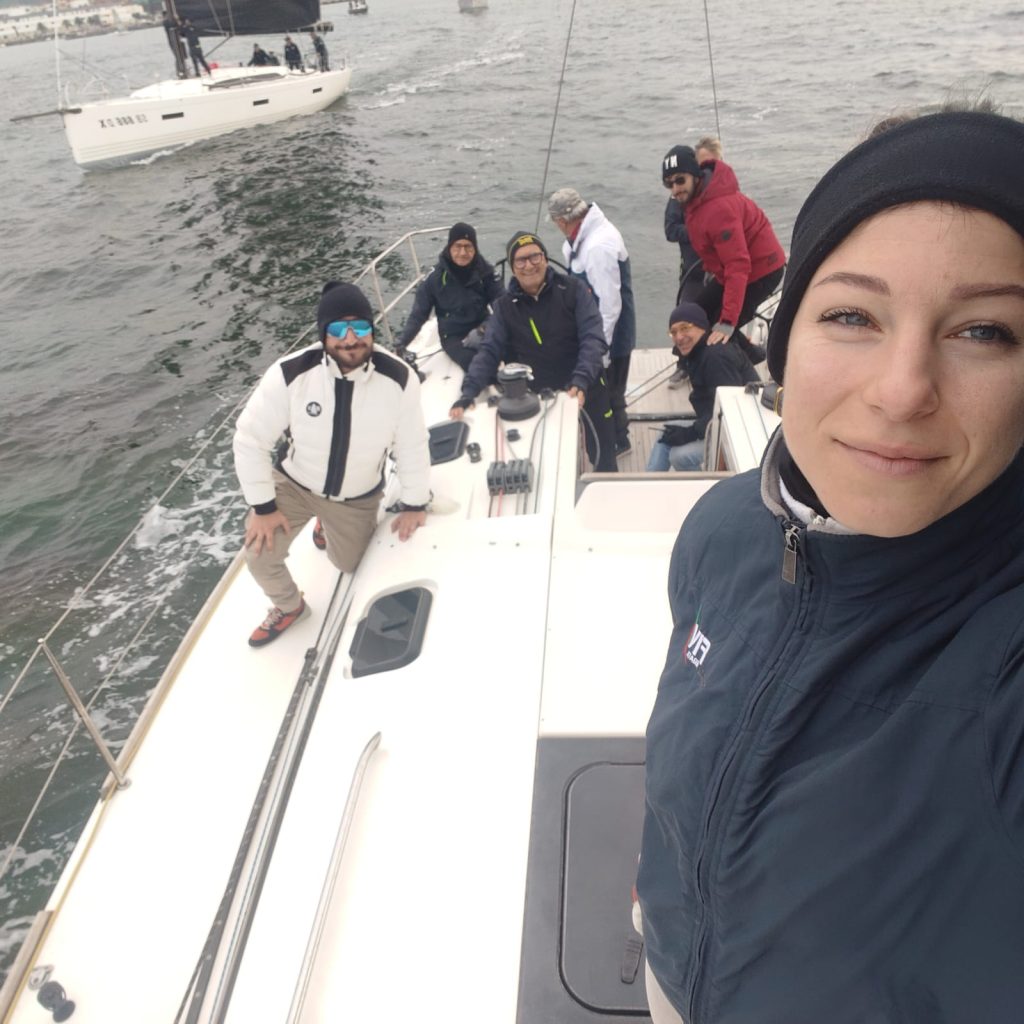
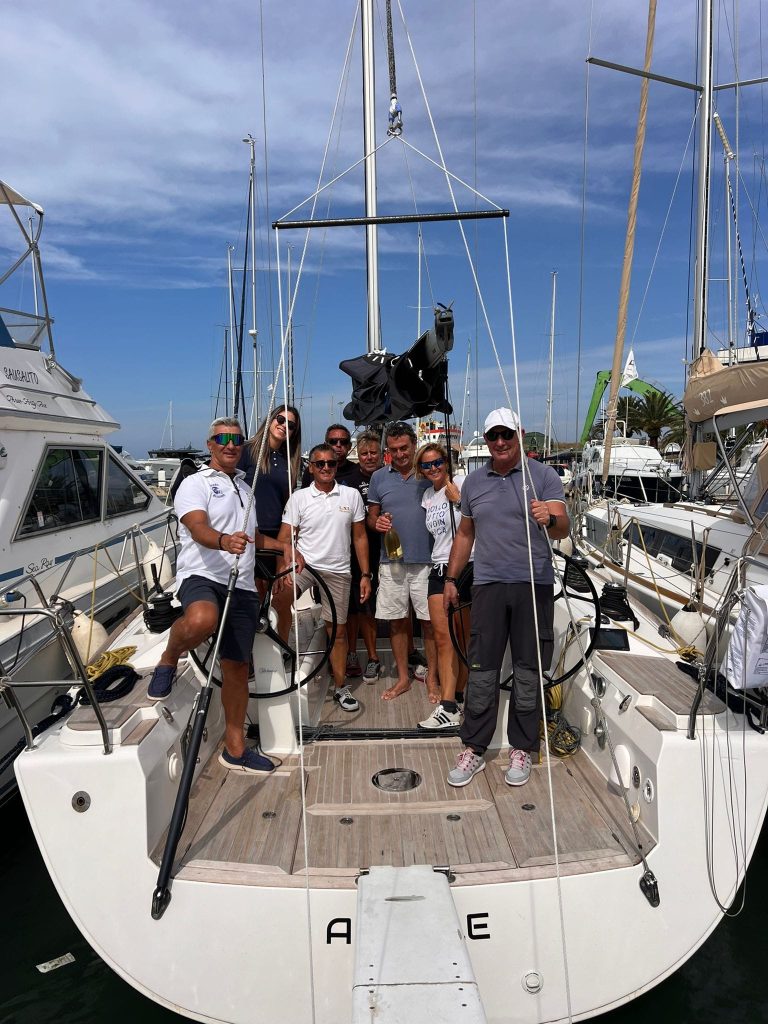
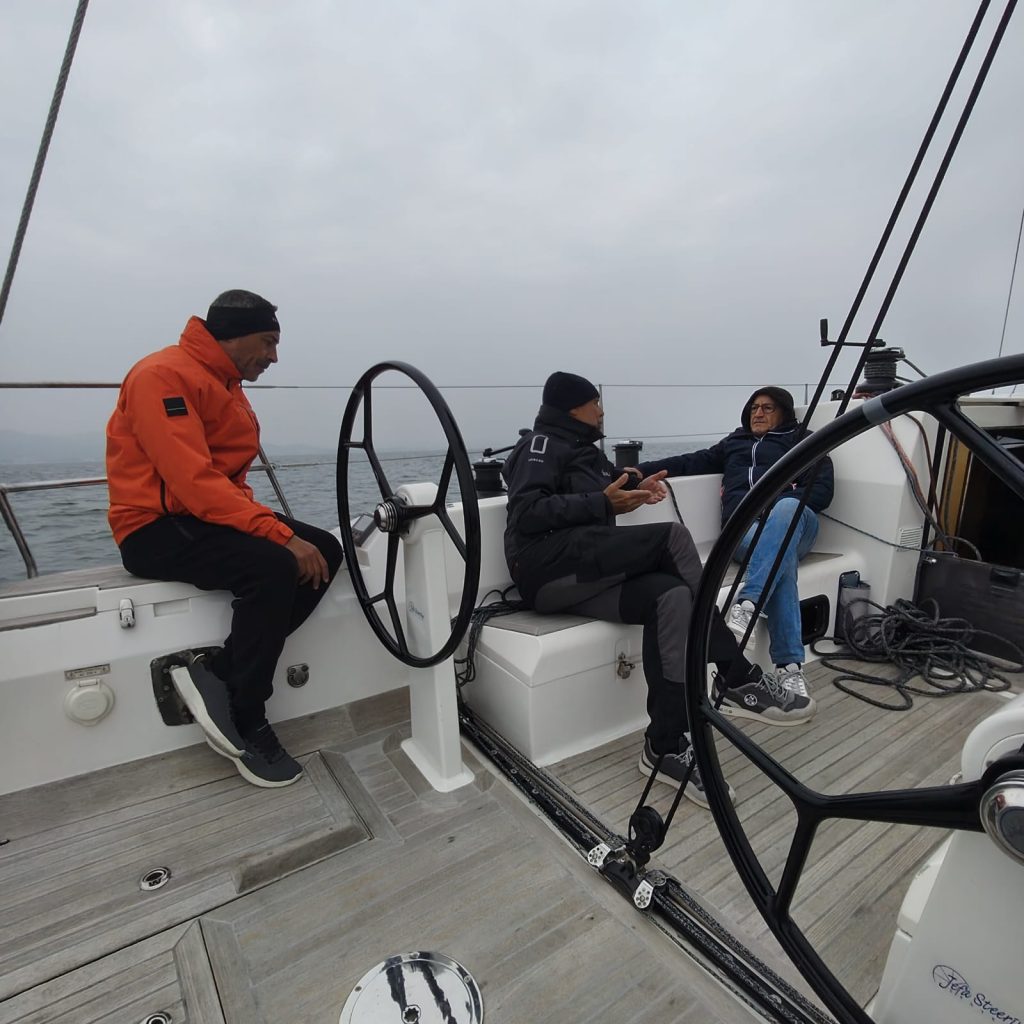
Adriatic and Mediterranean: two theaters to prove themselves
The world of regattas is not just made up of big televised events. Along the Adriatic and in the Mediterranean, dozens of regattas take place each year-some historic, some emerging-that offer genuine opportunities for sailors who want to get serious about the competition.
On theAdriatic, the schedule is busy and technical:
- Barcolana, the Trieste classic, with its crowded and spectacular start
- Regatta of the Two Gulfs (Lignano - Grado), fast and tactical
- The Two Hundred and The Five Hundred from Caorle, for those seeking endurance and weather reading
- Coastal regattas between Chioggia, Monfalcone, Piran, Venice: ideal for honing maneuvers in real context
In the Mediterranean, however, scenarios and conditions change:
- Rolex Middle Sea Race (Malta), an offshore classic
- Three Gulfs, between Naples and Capri, with overnight passages
- Giraglia Rolex Cup, between France and Liguria
- International events such as Les Voiles de Saint-Tropez, Palermo-Montecarlo, and invitational regattas
Training for racing: technique, fellowship, lucidity
Facing a regatta competitively means working on many levels at once. It is not enough to know how to carry the boat: you need coordination, communication, speed, mental and physical endurance.
The preparation course includes:
- Targeted technical training, with focus on starts, maneuvers, timing
- Assignment and rotation of roles on board, to find the optimal set-up
- Simulations in real-world conditions, including high winds or at night
- Post-release debrief: error analysis, targeted corrections, continuous improvement
- Weather reading, use of instruments, race strategy based on course and opponents
Work is done on automaticity and sensitivity, but also on lucidity and pressure management. Each exit becomes part of a process: from the first turn to the finish line.
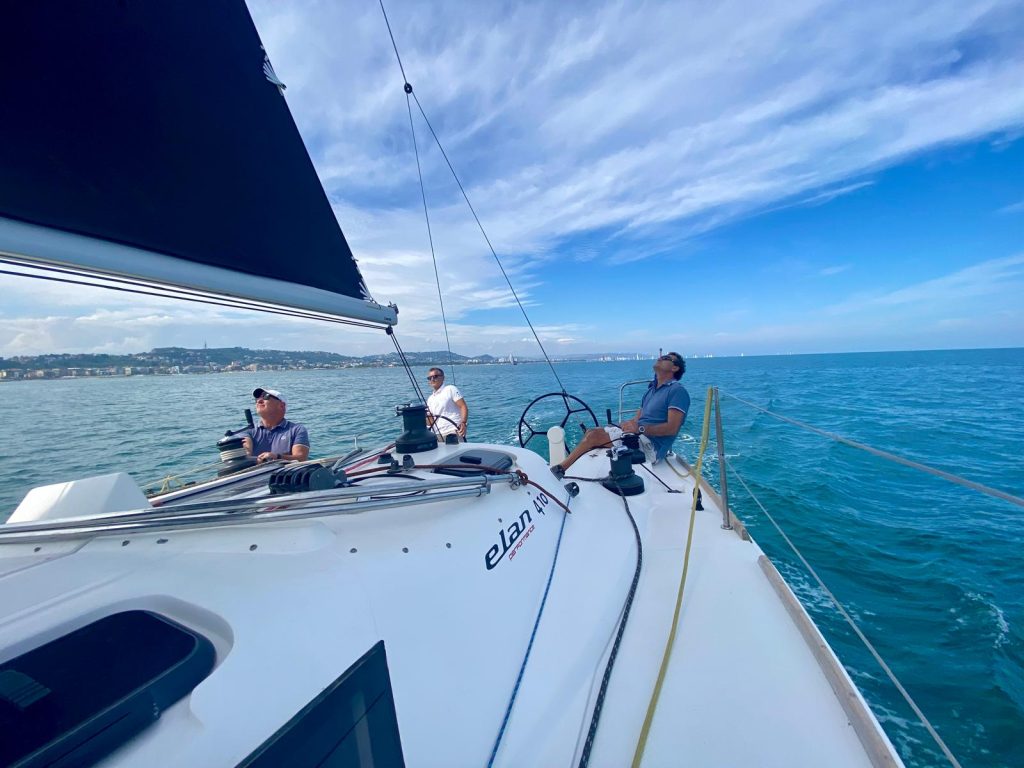
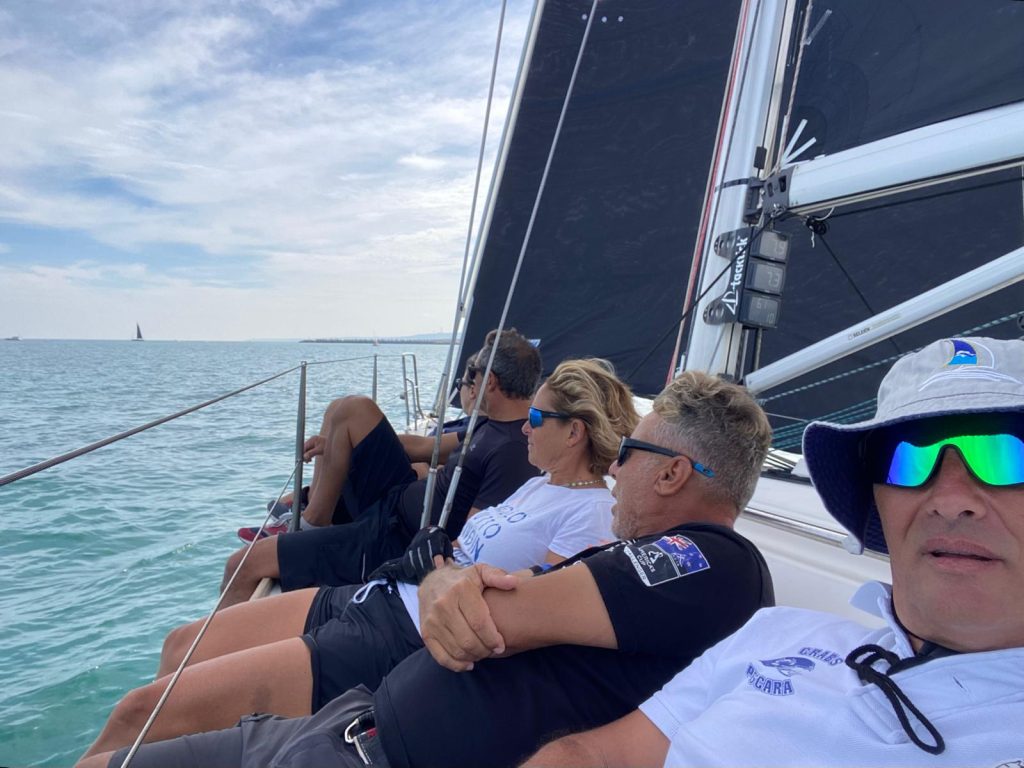
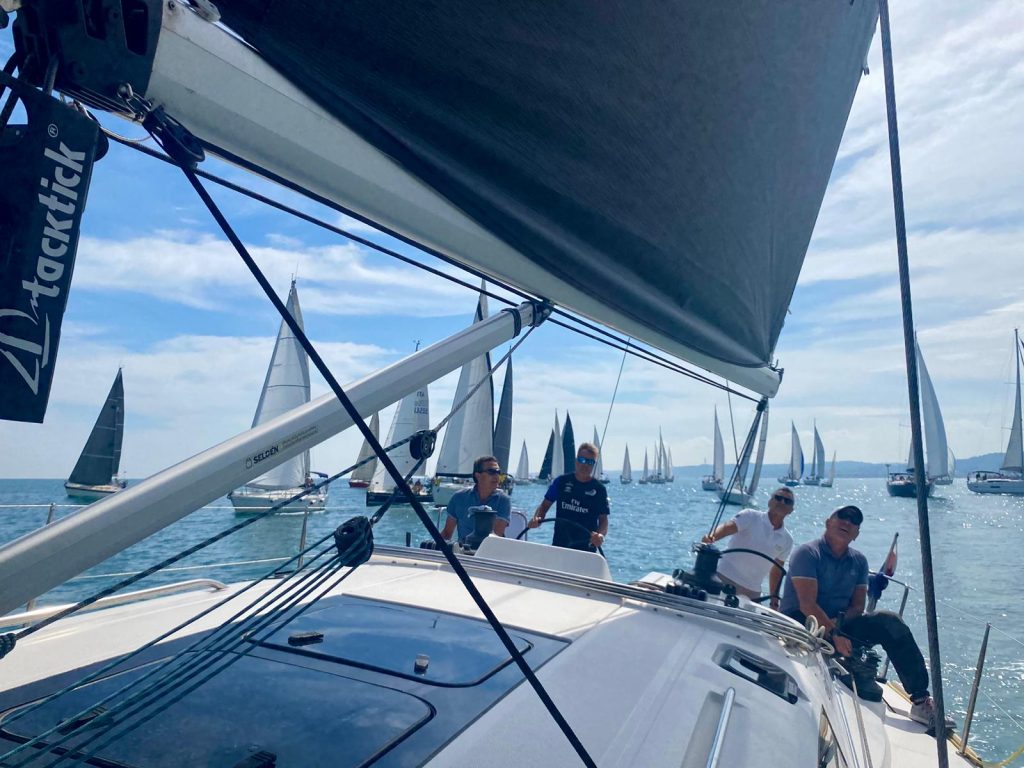
The skipper as a technical guide
In this course, the skipper plays a key role. Not only because he knows the boat, but because he builds the crew, leads the group, coordinates the preparation.
He is the technical and strategic reference. His job is not just to get you to the race, but to make sure you understand what is going on - and why.
During training sessions, he is the one who sets pace, checks adjustments, corrects language on board. After each session, he is the one who collects observations, processes feedback, decides where you can push harder.
This approach is designed for those who want to participate as protagonists, not passengers.
To whom it is addressed
This proposal is designed for:
- Sailors with yachting experience who want to take it to the next level
- People who have already raced and want to improve in maneuvers, timing, communication
- Small crews who want to approach a regatta with method and sporting vision, even on non-professional boats
- Those who wish to enter the world of racing in a competitive spirit, but without exaggerated drifts or closed environments
How to participate
It all starts with a direct conversation with the skipper.
There are no packages, forms or generic forms. You talk, share goals and availability, consider the right regatta and the type of preparation needed.
The program is custom-built based on:
- crew level
- type of regatta (coast, offshore, sprint)
- available timelines
- Preferred geographic area (Adriatic or Mediterranean)
The regatta as a course, not just a race
It is not necessary to win to sail well. But it is necessary to prepare well in order to play it all the way.
And with the right technical support, the right attitude and the willingness to learn more each time, each regatta can become a concrete step toward more mature, precise and satisfying sailing.


